

The short answer
A loft conversion typically adds 15–20% to a UK home's value, and the strongest published evidence puts the top end higher still. Nationwide Building Society's House Price Index research, published in October 2025 and based on its price data for October 2024 to September 2025, found that a loft conversion or extension creating a large double bedroom and a bathroom can add as much as 24% to the value of a three-bedroom, one-bathroom house.
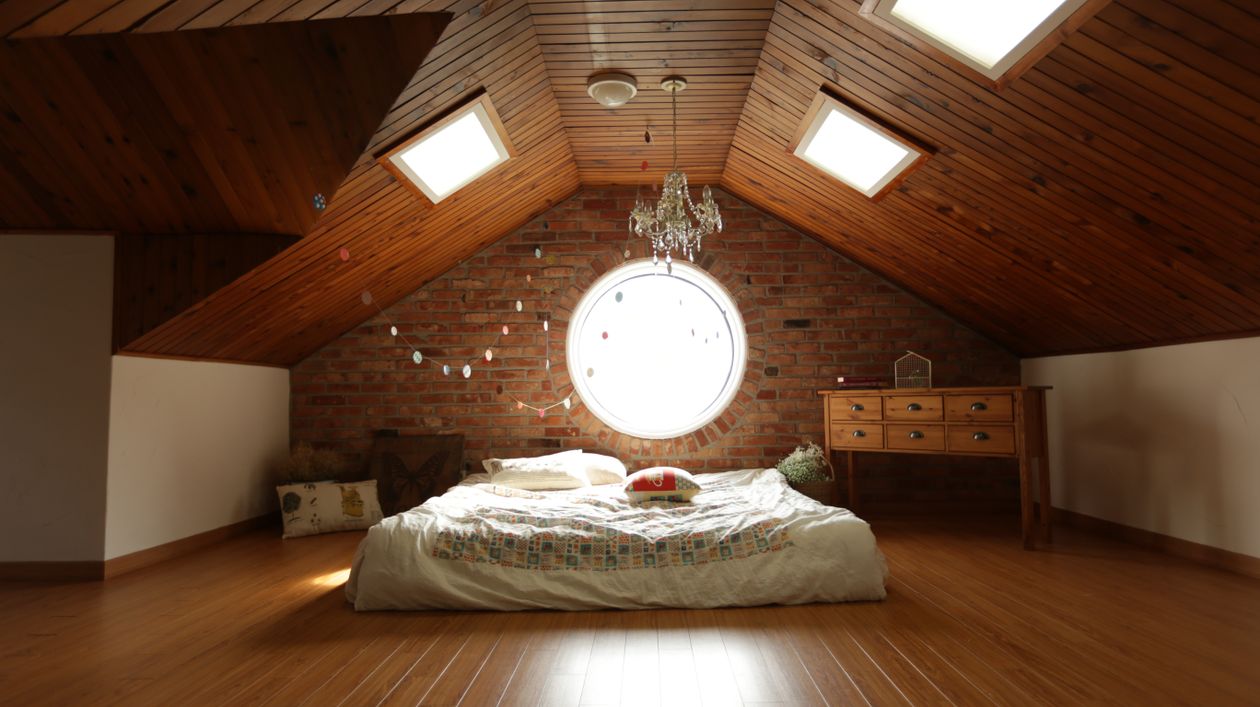
That headline needs unpacking, because the value added depends on what the conversion creates, what kind of house it is, and where that house sits in its local market. A loft that adds a genuine double bedroom with an en-suite is a different proposition from a loft that adds floor area but no bedroom, or a bedroom so compromised by sloping ceilings that buyers treat it as a box room. This guide separates the evidence from the estate-agent shorthand, works the maths on realistic house prices, and sets out the cases where a loft conversion does not pay.
What Nationwide actually found
Much of the "loft conversions add 20%" advice circulating online traces back to Nationwide's research, and it is worth reading precisely, because the number changes with the project.
| What the work adds | Value added (Nationwide HPI research) |
| Loft conversion or extension with a large double bedroom and bathroom | Up to 24% (three-bed, one-bathroom house) |
| Extra double bedroom, two-bed to three-bed | 13% terraced, 14% semi-detached, 17% detached |
| Extra double bedroom, three-bed to four-bed | 10% terraced, 10% semi-detached, 13% detached |
| Extra bathroom (2023 analysis; not valued separately in 2025) | Around 6% |
| 10% more floor area, with no extra bedroom | Around 5% |
Two lessons sit in that table. First, bedrooms drive value far harder than raw floor space. A house 10% bigger is worth only about 5% more, but the same space arranged as a double bedroom with a bathroom can be worth up to 24% more. Second, the bedroom-plus-bathroom combination is the multiplier. The bedroom alone adds 10–17% depending on house type and starting bedroom count; the bathroom adds around 6% on Nationwide's earlier analysis; a well-planned loft delivers both in one project. That is why experienced loft designers push for an en-suite whenever the roof allows it — not because buyers love en-suites in the abstract, but because the combination moves the house into a higher bedroom-and-bathroom bracket on Rightmove and Zoopla, where buyers filter their searches.
Bedroom count matters too: moving from two to three bedrooms adds proportionally more than three to four, because the first extra bedroom removes a constraint that excludes most family buyers. Detached houses gain most from an extra bedroom, terraced houses least, since a terraced price is more tightly anchored to the street.
The maths on real house prices
Percentages are abstract until they meet a price. Applying the commonly quoted 15–20% range to typical values gives:
| Current value | Added value at 15% | Added value at 20% | Added value at 24% |
| £250,000 | £37,500 | £50,000 | £60,000 |
| £350,000 | £52,500 | £70,000 | £84,000 |
| £500,000 | £75,000 | £100,000 | £120,000 |
| £700,000 | £105,000 | £140,000 | £168,000 |
Set those figures against 2026 build costs and the case becomes clear in higher-value areas — and marginal in lower-value ones. A standard dormer costs roughly £40,000–£60,000 nationally (Checkatrade, March 2026), or £50,000–£75,000 in London for the build alone before VAT and fees. On a £500,000 house, a £60,000 all-in dormer adding 15–20% (£75,000–£100,000) returns more than it costs. On a £250,000 house, the same dormer adding 15% (£37,500) does not cover its cost on value alone — though it may still be worth doing for the space, or because moving costs make it cheaper than moving.
A loft conversion is not an investment with a guaranteed return; it is a way of buying space. The uplift is one part of the return, years of use the other. Judging it on uplift alone understates its worth if you stay — and overstates it if you sell immediately into a flat market.
What kind of loft adds the most value?
A double bedroom with an en-suite, first
This is the value-maximising configuration, for the Nationwide reasons above. It works best when the loft can hold a genuinely double-sized room — space for a double bed, wardrobes and circulation without ducking under a slope — plus a compact en-suite with a shower. A single bedroom, a study, or a room marketed as a "bedroom" that cannot fit a double bed will not command the same uplift, however well finished it is.
A room buyers can use without explanation
Valuers and buyers discount space they have to interpret. A loft room with a proper staircase (not a pull-down ladder), adequate headroom across most of the floor, good natural light from a dormer window or large rooflights, and a building regulations completion certificate reads as a bedroom. A room reached by a steep ladder stair, with a low ceiling and no certificate, reads as storage with delusions — and a buyer's solicitor will treat it that way too. The completion certificate matters commercially, not just legally: it is the document that lets an estate agent market the room as a bedroom and a valuer count it as one.
A room that fits the house and the street
A four-bedroom house on a street of three-bedroom houses usually commands a premium because it offers something scarce locally; a six-bedroom house on the same street may not, because its buyers look elsewhere and it may become the street's most expensive house (see ceiling price below). The loft should also not come at the expense of something buyers value more: losing a downstairs bedroom to fit the staircase can cancel out the gain of adding one upstairs.
Loft conversion vs other ways to add value
A loft conversion's value case is strong partly because it adds bedrooms without consuming garden, which is why it compares well against other projects. Published 2026 guides put a single-storey rear extension at roughly £55,000–£100,000 all-in for 20–30 m², and Nationwide's figures imply an extension creating a bedroom and bathroom can also add up to 24% — the uplift comes from the rooms created, not the method used. The loft's advantage is cost: it reuses the existing roof structure and needs no new foundations, so it is generally cheaper per square metre than an extension, and it leaves the garden untouched, which matters to family buyers.
Against a kitchen or bathroom renovation, the comparison differs: a kitchen renovation adds perhaps 5–10% if non-structural (Which? guidance cited in 2026 guides), and an extra bathroom alone around 6%. Neither matches a bedroom-plus-bathroom loft on percentage uplift, but both cost far less. Moving house is the other alternative: stamp duty, agent fees, legal fees and removals run to tens of thousands before any price difference, and in higher-value areas the gap between a three- and four-bedroom house can exceed the conversion cost outright. Converting buys the extra bedroom at build cost, not at the market premium for a bigger house.
When a loft conversion does not add value
Honest guides should name the cases where the maths fails, because they are common.
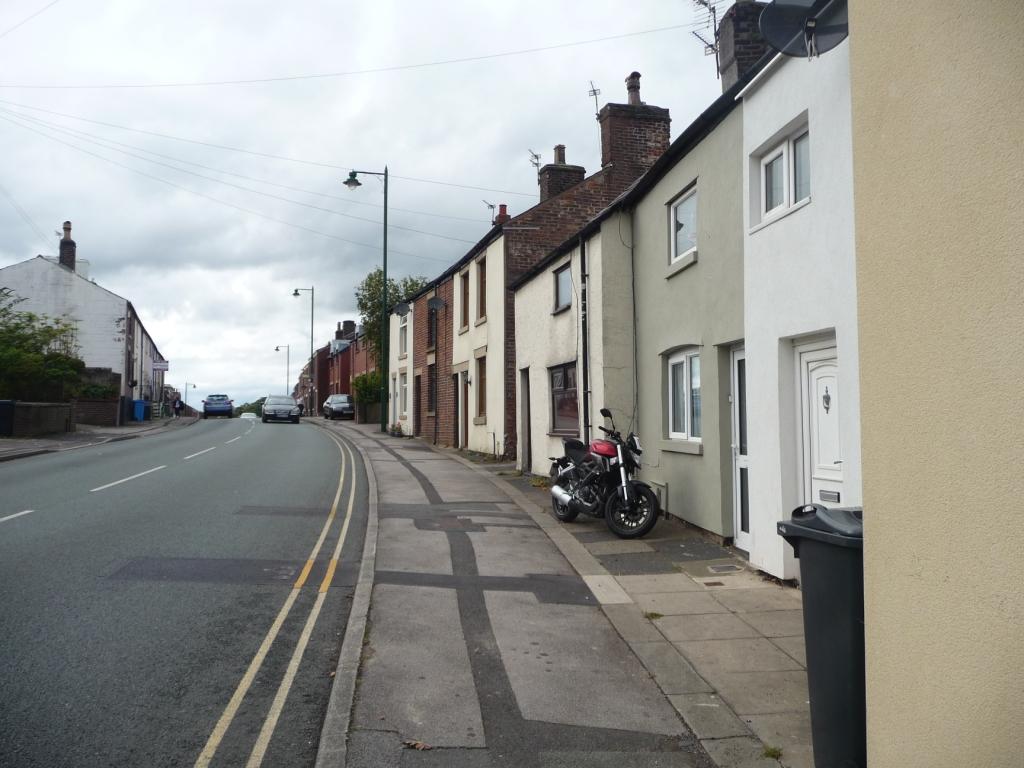
The ceiling price. Every street has a price above which houses stop selling, however good they are, because buyers will not pay a premium over neighbouring properties. If your house is already at or near its street's ceiling, a loft conversion may add little saleable value — the extra bedroom cannot lift the price past what the street supports. Check sold prices for the largest houses on your street before committing; if four-bedroom houses there sell for only slightly more than three-bedroom ones, the uplift will be small.
Over-specification. A £100,000 bespoke loft on a £250,000 house rarely returns its cost. Valuers price against comparable local sales, not against your specification sheet. Match the finish to the area: a good standard finish with a proper en-suite beats a luxury finish that no buyer in the area will pay for.
A compromised room. Low headroom, a cramped staircase, poor light, or a layout that forces buyers to walk through one bedroom to reach another all reduce the uplift. So does a loft marketed as a bedroom that building control never signed off. If the roof cannot deliver a genuinely usable room, a rooflight conversion that adds a home office or playroom may still be worth doing for your own use — but do not budget for a bedroom-sized uplift.
Selling immediately. Value figures are averages across markets and time. If you convert and sell within a year into a falling market, the uplift may not materialise regardless of the quality of the work. Conversions pay best when you live in the room for several years and sell into a stable or rising market.
Losing something buyers want. Converting the loft into a bedroom while removing the only downstairs bedroom, shrinking the garden with a large dormer structure, or blocking light to a neighbour's property can all reduce overall appeal. The net effect, not the gross addition, is what a valuer measures.
Cost vs value: a worked example
Take a three-bedroom semi-detached house worth £400,000, suitable for a full-width rear dormer. A realistic 2026 budget might be £55,000 for the build, plus VAT, fees and an en-suite, bringing the all-in cost to roughly £70,000–£75,000. If the conversion creates a double bedroom with an en-suite, Nationwide's figures suggest an uplift of 15–24% — £60,000–£96,000 — with the top end the best case, not the expected case. Mid-range, the uplift roughly covers or modestly exceeds the cost, and the household gains a bedroom for as long as it stays. Run the same sum on your own house before commissioning drawings: current value, all-in cost, bedroom-count change, and sold prices for the next bedroom bracket on your street.
FAQ
How much value does a loft conversion add on average?
Typically 15–20%, according to most UK guides, with Nationwide's 2025 research finding up to 24% where the conversion creates a large double bedroom and bathroom in a three-bedroom, one-bathroom house. An extra double bedroom alone adds roughly 10–17% depending on house type and starting bedroom count.
Does a loft conversion always add value?
No. It adds most where it creates a genuine extra bedroom (ideally with a bathroom), where the house is below its street's ceiling price, and where the work is properly certified. A compromised room, an over-specified finish, or a house already at its ceiling price may add little or no saleable value.
Is a loft conversion better value than an extension?
For adding a bedroom, usually yes on cost: a loft reuses the roof structure and needs no foundations, so it is cheaper per square metre than a ground-floor extension, and it does not reduce the garden. The value uplift comes from the rooms created, so a bedroom-plus-bathroom extension can add a similar percentage — at a higher build cost.
Do I need planning permission for the value to count?
Building regulations approval is what makes a room count, not planning permission. A room without a completion certificate may not be counted as a bedroom by a valuer, whatever its finish. Many lofts need no planning permission, but every habitable loft needs building regulations approval.
Will a loft conversion add value if I have a small house?
Moving from two bedrooms to three adds proportionally more (13–17%) than three to four (10–13%), so smaller houses can see a larger percentage uplift — provided the loft delivers a genuinely usable double bedroom and the house is not at its street's ceiling.
Related reading
- Loft conversion cost per square metre UK 2026: by type and region
- Dormer loft conversion cost UK 2026